





Birmingham Buy-To-Let Hotspots 2026: Where to Find The Best Yields
Birmingham continues to cement its position as one of the UK's most compelling buy-to-let markets. With property prices that remain significantly below London whilst delivering higher percentage returns, the fundamentals for Birmingham buy-to-let investments are difficult to ignore. For investors seeking sustainable income and long-term capital appreciation, understanding exactly where to invest in Birmingham is critical.
The Birmingham property market isn't ‘one-size-fits-all’. Yields, tenant demographics, and growth trajectories vary considerably across different areas. This article examines the specific Birmingham neighbourhoods where rental returns are strongest, rental demand is sustained, and the infrastructure investment supports genuine long-term value.
Why Choose Birmingham Buy-To-Let?
Before drilling into specific locations, it's worth establishing why Birmingham buy-to-let remains attractive for investors when other regional markets are facing headwinds. The city's population is forecast to reach 1.23 million by 2038, representing a 7.8% growth trajectory from current levels. This isn't speculative; it's driven by structural employment growth, massive university expansion, and Birmingham's role as a dominant regional economic hub. High employment levels and steady inward migration underpin rental demand that goes far beyond short-term market cycles.
Major infrastructure projects continue to reshape the city's connectivity and economic prospects. HS2's Curzon Street station is projected to support around 100,000 jobs and contribute £14 billion to the regional economy. When Birmingham sits less than an hour from London by rail, the capital exodus effect becomes tangible, not theoretical.
From a pure affordability perspective, Birmingham buy-to-let offers entry points that London and the South East simply cannot match. Average property prices have increased by 73% over the past decade, according to the ONS, yet they remain highly accessible for investors building or expanding portfolios. Current forecasts from the likes of Savills and JLL suggest around 24% price growth over the next five years, though, as always, past performance is not a guaranteed indicator of future performance. For landlords searching for the best places to invest in Birmingham, the ultimate opportunity lies in identifying the specific pockets where rental growth, tenant quality, and capital appreciation align perfectly.
Where to Invest in Birmingham: Top High-Yield Hotspots
To maximise your returns, you must align your budget with local demand profiles. Here is a breakdown of the top-performing buy-to-let zones in the city core:
| Hotspot Location | Average Property Price | Average Monthly Rent | Typical Gross Yield |
|---|---|---|---|
| City Centre | £218,000 | £1,083 pcm | 5.7% |
| Jewellery Quarter | £221,000 | £1,179 pcm | 6.4% |
| Digbeth | £221,000 | £1,141 pcm | 6.2% |
City Centre: The Urban Professional Magnet
Birmingham City Centre has transformed considerably over the past decade. What was once dominated by office workers commuting in has evolved into a genuine residential quarter, driven by young professionals, students, and increasingly, downsizers seeking convenience and connectivity.
The tenant profile here skews heavily toward young professionals working in Birmingham's financial, legal, and technology sectors, alongside postgraduate students from Birmingham City University and Aston University. Rental demand is consistently strong, and void periods tend to be shorter than in more suburban locations. The City Centre benefits from immediate access to New Street Station, extensive bus routes, and the proposed HS2 terminus.
From an investment perspective, one-bedroom and two-bedroom apartments dominate the market. Build quality varies significantly depending on the development, so due diligence on the developer and construction standards is essential. Newer developments with strong specifications and low maintenance burdens tend to command premium rents and attract higher-quality tenants. Rental growth in the City Centre has remained resilient. Flats and maisonettes across Birmingham saw rental increases of 7.1% recently, according to ONS data, and City Centre properties often outperform this average due to the scarcity of high-quality stock and sustained demand.
Investor Note: The key consideration for investors here is service charge liability. City Centre apartments can carry substantial annual service charges, which need to be factored into net yield calculations. Always stress-test your figures against realistic operating costs, not optimistic developer projections.
Jewellery Quarter: Character Meets Convenience
The Jewellery Quarter occupies a unique position in Birmingham's property landscape. It combines period charm with modern amenities, sitting just a short walk from the City Centre whilst maintaining a distinct neighbourhood identity. For property investors, it offers a sweet spot between urban convenience and residential character.
The tenant demographic here is slightly older and more established than in the City Centre core. You'll find professionals in their late twenties to early forties, often couples or small families who want proximity to work without living directly above a busy transport hub. There's also a cohort of creatives and entrepreneurs attracted to the area's independent spirit and studio spaces.
The Jewellery Quarter has undergone significant residential conversion over recent years, with former industrial buildings transformed into loft-style apartments and townhouses. The quality of these conversions varies - some developers have delivered exceptional spaces that maximise ceiling height and natural light, whilst others have prioritised unit count over liveability. From a rental perspective, properties here hold their value incredibly well. The distinct community feel encourages longer tenancies, which substantially reduces void periods and turnover costs.
Digbeth: Birmingham's Regeneration Opportunity
Digbeth has shifted from an overlooked industrial district to one of Birmingham's fastest-growing and most talked-about areas. This isn't gentrification speculation - it's backed by substantial regeneration investment and genuine infrastructure development.
Digbeth sits adjacent to the planned HS2 Curzon Street station, which fundamentally changes its connectivity and economic relevance. The area is also home to significant creative industries, independent businesses, and a growing food and beverage scene. What was once dominated by warehouses and industrial units is being gradually transformed into mixed-use developments featuring residential, commercial, and cultural spaces.
The tenant demographic in Digbeth is evolving. Early adopters were typically younger professionals and creatives attracted by lower rents and the area's emerging cultural identity. As new developments complete and the area matures, you're beginning to see a broader mix - professionals priced out of the City Centre, couples seeking more space, and even families attracted by new amenities and improving schools.
From a buy-to-let perspective, Digbeth offers a classic regeneration play. Entry prices have historically been lower than the City Centre or Jewellery Quarter, though this gap is narrowing as investor awareness grows. The potential for capital appreciation is significant, particularly for properties within walking distance of the future HS2 station. However, Digbeth requires careful analysis. The area is still in transition, which means infrastructure, amenities, and neighbourhood character vary considerably street by street.
Additional Suburban Areas Worth Considering
Whilst the City Centre, Jewellery Quarter, and Digbeth represent the core zones for higher headline yields, several other areas merit consideration depending on your broader investment strategy and risk appetite:
Edgbaston: Attracts families and medical professionals seeking larger properties, green spaces, and proximity to excellent schools. Yields tend to be lower than in the urban core, but tenant quality is exceptionally high, and rental arrears are less frequent. It's a play for stability rather than maximum income.
Harborne: Offers a similar profile—affluent, residential, with strong local amenities and a village feel despite being close to the city centre. Again, yields are compressed, but void periods are minimal, and tenant longevity is strong.
Moseley and Kings Heath: Attract a slightly younger, more bohemian demographic. Independent cafes, bars, and shops create neighbourhood character, and rental demand from young professionals and postgraduates remains consistent. Yields sit comfortably between Edgbaston and the City Centre.
Selly Oak & Aston Triangle: For investors specifically targeting student lets, these areas offer distinct opportunities near the University of Birmingham and Aston University, though these come with different management requirements and strict regulatory considerations around HMO licensing.
Making Birmingham Buy-to-Let Work: Due Diligence Matters
Achieving strong yields in Birmingham isn't simply about picking the right postcode. It requires rigorous analysis of the specific property, realistic financial modelling, and professional, hands-on ongoing property management.
Start with the fundamentals. Rental projections need to be based on hard comparable market evidence, not developer marketing materials or optimistic assumptions. Next, factor in all operating costs: mortgage interest, service charges, ground rent, insurance, maintenance, lettings fees, void periods, and an emergency buffer for unexpected repairs. The difference between gross yield and net yield can be substantial, and it's the net figure that determines whether the investment genuinely works.
Understand the local Birmingham lettings market. Who are your likely tenants, what are they looking for, and what will make them choose your property over the one next door? Properties that sit vacant for months because they're poorly specified or priced incorrectly are a massive drain on returns.
To secure the highest-quality tenants and eliminate costly void periods, it is essential to leverage a localised lettings infrastructure. Explore our residential lettings services to see how our expert property management services protect and optimise your rental returns from day one.
Finally, think long-term. Birmingham buy-to-let property investment works best when you're prepared to hold through market cycles, benefit from compounded rental growth over time, and potentially refinance or sell strategically when the opportunity arises. Short-term flipping in a market with SDLT, transaction costs, and capital gains tax is a difficult game.
The Birmingham Buy-to-Let Opportunity in 2026
Birmingham remains one of the UK's most accessible and fundamentally sound buy-to-let markets. Prices are realistic, rental demand is sustained by corporate employment and population growth, and infrastructure investment is creating genuine long-term value.
The opportunity in 2026 isn't about chasing headlines or speculating on hype. It's about understanding where tenant demand is strongest, identifying properties that offer realistic yields after all costs, and working with property professionals who prioritise substance over sales pitches.
At Miller Rose, we only recommend Birmingham buy-to-let developments we'd invest in ourselves. That means rigorous vetting, realistic projections, and proven developers. If you're looking to build or expand a Birmingham buy-to-let portfolio, speak to our team about current availability and upcoming opportunities that meet our strict standards. Property done properly. No hype, no shortcuts, no exceptions.
"*" indicates required fields
Birmingham Buy-To-Let FAQ's
Why is Birmingham considered a better buy-to-let option than London in 2026?
Birmingham offers a yield-to-affordability ratio that London cannot currently compete with. While the average property price in Birmingham sits around £236,000 (less than half the cost of a typical London home), the city delivers significantly higher percentage returns. In 2026, central Birmingham postcodes like B1 and B18 are safely achieving gross yields between 5.7% and 6.9%, whereas prime London rental yields often struggle to exceed 3%.
Which Birmingham neighbourhoods offer the best balance of yield and capital growth?
For landlords looking for the best places to invest in Birmingham for balanced returns, three areas dominate. The Jewellery Quarter (B18) attracts premium corporate tenants and holds historical character, delivering yields up to 6.4%. Digbeth is the ultimate capital growth regeneration play due to massive infrastructure pipelines. The traditional City Centre core remains the safest option for maintaining zero void periods and near-100% rental occupancy.
How is the "HS2 Effect" actually impacting property values in 2026?
The impact of HS2 is no longer speculative; it is a fundamental driver of the current market. As the Curzon Street terminus nears completion, areas within walking distance (particularly Digbeth and the Eastside) have seen price growth outpace the wider city average. The reality of a sub-50-minute commute to London is accelerating a "capital exodus" of young professional renters looking for lower living costs without sacrificing structural career connectivity.
About the Author & Reviewer
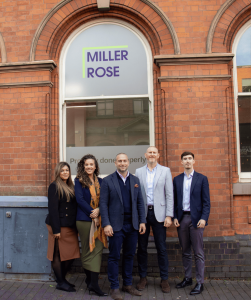
This guide was compiled by the Miller Rose Investment Research Team. With over a decade of hands-on property management and acquisition experience in the West Midlands, we map real-time tenancy data against regional development pipelines to provide accurate, market-led insights for UK and international landlords.
Financial Disclaimer
The information presented in this article is for educational purposes only and does not constitute formal financial advice. Property values and rental yields fluctuate. Past performance in the Birmingham housing market is not a guaranteed indicator of future returns. We strongly recommend speaking to a qualified independent financial advisor and conducting thorough individual due diligence before entering into any buy-to-let contract.