








Moving to Birmingham
What every mover needs to know
Moving to Birmingham rarely comes down to the property alone
It comes down to a hundred smaller things: whether the commute actually holds up once you’re doing it every day rather than checking it on a map, which end of a street you’d rather live on, and what the service charge on a converted property actually covers. Most guides focus on the headline version of a city. We wanted to go further and answer the questions that actually shape whether a move to Birmingham works.
Building on decades of experience and the things we see day in day out – we’ve created this complete guide, covering nine areas across Birmingham and Solihull, what life here actually costs once council tax, bills and travel are added to the rent, what changed for renters in May 2026 and what’s likely to change in the future, how school admissions really work, and all the practical things to sort out once you’ve decided to move.
DOWNLOAD YOUR BIRMINGHAM RELOCATION GUIDE
"*" indicates required fields


What This Guide Covers
We’ve written the guide we’d want if we were moving here ourselves. Each area profile looks at what the place is like day to day, what homes cost to rent and buy, how you get around, and what we’d check before committing to anything there. There’s a full chapter on the renting rules introduced on 1 May 2026, another on how school admissions work, and practical guidance on household costs and what to sort before, during and after the move.
There’s a full chapter on what changed for renters under the rules introduced on 1 May 2026, including several changes that will feel unfamiliar if you’ve rented in England before. There’s another on how school admissions actually work and why catchment isn’t the guarantee people sometimes assume, as well as practical guidance on household costs and what to sort before, during and after the move.
If you read a chapter and decide an area isn’t for you, the guide’s done its job.
Nine Areas, Compared Properly
Birmingham grew out of a collection of towns and neighbourhoods that have kept their own high streets, housing and character, which is why somewhere like Moseley can feel so different from the Jewellery Quarter just a few miles away.
Solihull adds another contrast, sitting just south east of Birmingham as a separate borough with its own council, services and town centre, so one citywide average can only tell you so much about what living in each area is really like.
The guide profiles:
- The Jewellery Quarter
- Digbeth
- Birmingham city centre
- Edgbaston
- Harborne
- Moseley
- Selly Oak
- Bournville
- Solihull
Each profile covers rent and sale prices by bedroom count, council tax, parking and transport, what the area is actually like day to day, what to know before you commit and the things we’d check ourselves.


Birmingham Now
The UK’s second city
Around 1.18 million people live in Birmingham, and it’s rarely what people expect. There are 501,000 jobs here, clustered in recognisable pockets: professional and financial services around the city centre, healthcare, education and life sciences in Edgbaston, and creative and digital industries around Digbeth.
Anyone moving from London will see a sizable difference in housing costs. The guide’s current figures put average private rent in Birmingham at £1,090 a month against £2,302 in London, with average house prices at £233,000 against £545,000. Coming from Manchester, Leeds or Bristol the gap narrows, so the guide breaks the figures down by area rather than relying on one headline comparison.
The guide is upfront about the things people tend to search for before they arrive too, including the council’s financial position, local bin arrangements and how to check safety at street level rather than relying on a citywide crime figure that tells you very little about a particular address.
Moving from London to Birmingham
The housing costs are the first thing most Londoners notice. Average private rent in Birmingham was £1,090 a month in June 2026, against £2,302 in London, and the average house price was £233,000 in May, against £545,000 (ONS).
HS2 won’t change the London commute any time soon. First services between Old Oak Common and Curzon Street aren’t expected until 2036 to 2039, so if you’re moving now, you’ll be travelling on the existing lines from New Street and Moor Street.
Coming from Manchester, Leeds or Bristol, the gap narrows, which is why the guide breaks the figures down by area and bedroom count.
1.
Find your starting point.
Moving for work, moving with a family, coming from overseas or relocating as a student all bring different questions, so the guide tells you where to start.
2.
Compare areas properly.
Rent and sale prices by bedroom count sit alongside council tax, parking, transport and the things worth knowing before you commit.
3.
Work through the move.
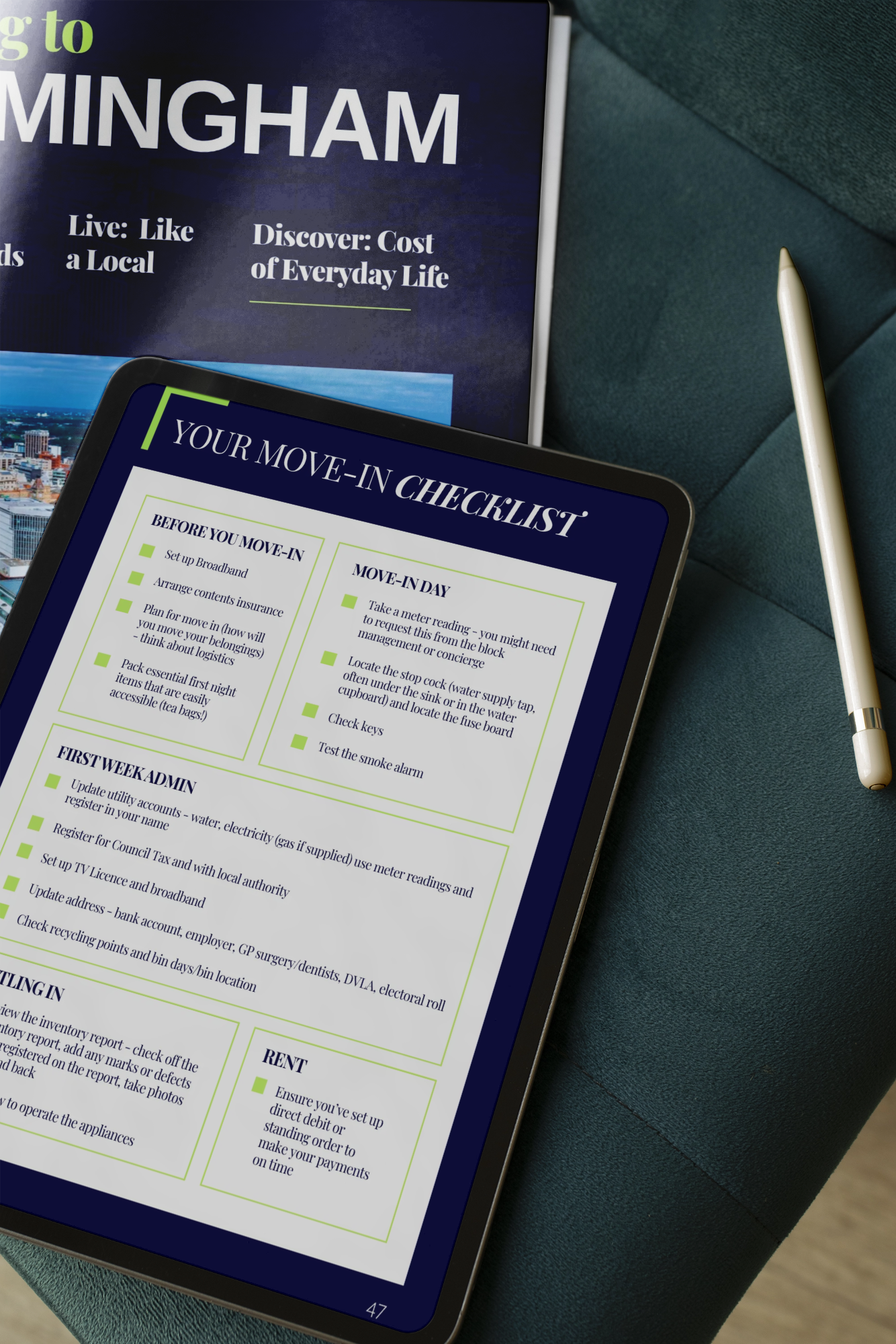
Use the practical checklist to see what to sort before moving, during moving week and in your first fortnight in Birmingham.
Things to watch if you’re renting for the first time.
Whether you’re renting in Birmingham or anywhere else, your tenancy deposit and first month’s rent usually land close together, making the start of a tenancy one of the biggest cash requirements of the whole move and often putting it before the first payday if you’re starting a new job. Council tax is usually collected over ten monthly instalments rather than twelve, so simply dividing the annual charge by twelve can underestimate what will leave your account unless you arrange a twelve-month payment plan.
If you’re renting specifically to be near a school or specific school catchment, both Birmingham and Solihull councils can check that the address is your genuine permanent home rather than a tenancy arranged only to secure a school place.

What changed in renting from the 1st May 2026
If you’ve rented in England before, several things you might expect now work differently. New tenancies are assured periodic tenancies that roll on rather than running for a fixed twelve months. The advertised rent is now a ceiling rather than an opening position, so nobody can invite or accept an offer above it.
Section 21, or what was previously known as “no fault eviction” has gone too, which means that landlords need to show specific legal grounds to regain possession. And once a tenancy agreement is signed, a tenant paying monthly can normally be asked for no more than the first month’s rent before the tenancy begins.
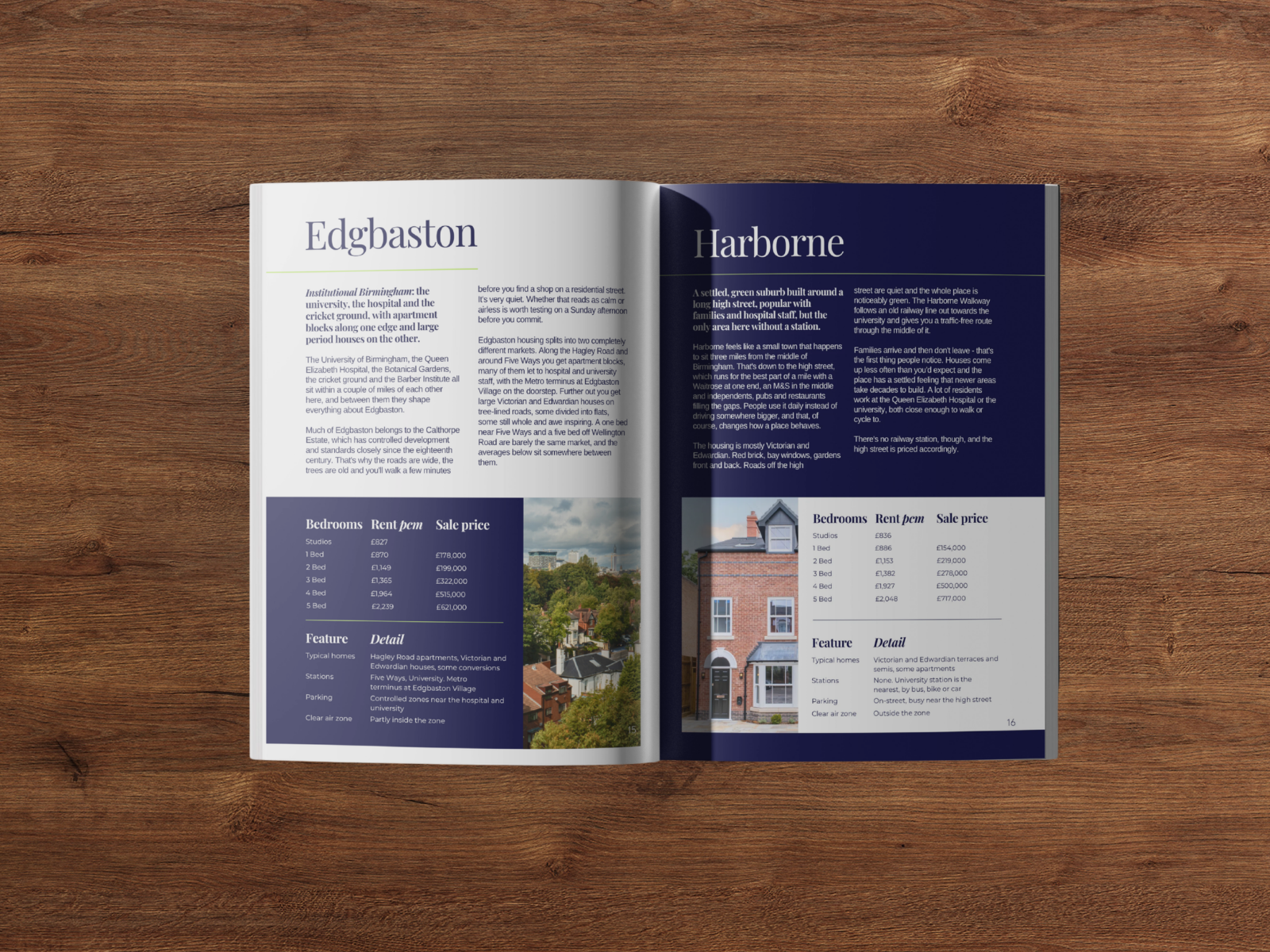
What's Included In The Guide
What’s included:
- Deep dive into nine Birmingham and Solihull areas, with rent and sale prices by bedroom count, plus council tax, parking and transport information
- A breakdown of what life here actually costs, including four worked household budgets
- What changed for renters from 1 May 2026 and what it means when you’re applying
- How school admissions work, including in-year applications and why catchment does not automatically guarantee a place
- Five real commuter journeys, including the points where they tend to become less straightforward
- A practical moving checklist, from booking broadband to registering with a GP
- Separate chapters for students and academics and for people moving from overseas
Supporting people moving to Birmingham and Solihull
We’re a Birmingham property business working across new homes, resale, lettings and management, investment, land and development, which means we spend a lot of time helping people understand not just the property in front of them, but the area, the market and what the move will actually involve.
If you’re relocating for work, coming from overseas, moving with a family or helping somebody else make the move, we can help you understand the local property market and the areas that make sense for what you need.
Work out the commute before...
you fall for a house, apartment or flat. A journey that looks fine on a map or timetable can feel very different at half past eight on a weekday.
For a fuller picture of the area...
spend a little time there at the times you would normally be coming and going. It is a good way to get a feel for the street, local transport and what the area is like day to day.
If you're moving with children...
read the schools chapter before you rule an area in or out based on catchment alone.
Book your broadband early...
installation slots can run weeks out, and it is one of the things people tend to leave too late.
Tell your current council...
you’re leaving and your new council you’re arriving. If you’re moving between Birmingham and Solihull, those are two separate authorities and one does not notify the other for you.
If you're renting...
get your referencing paperwork together before you start applying. Once an offer is accepted, the process can move quickly.
GET THE FULL CHECKLIST IN THE GUIDE
"*" indicates required fields
Frequently asked questions
What areas does the guide cover?
Nine areas across Birmingham and Solihull: the Jewellery Quarter, Digbeth, Birmingham city centre, Edgbaston, Harborne, Moseley, Selly Oak, Bournville and Solihull. It focuses on central, west and south Birmingham plus Solihull rather than trying to cover the whole city, and says that upfront so you know exactly what is included.
What changed for renters in 2026?
New rules took effect on 1 May 2026. New tenancies now run as assured periodic tenancies rather than fixed twelve-month terms, rental bidding above the advertised price is no longer permitted, Section 21 has gone, and the rules around taking rent before a tenancy begins have changed. The guide explains what this means practically from viewing and applying through to moving in.
Is housing cheaper in Birmingham than London?
On average, yes. The guide’s current Birmingham rent and house-price figures sit substantially below the equivalent London averages, although the gap varies considerably once you look at individual areas and property types. That is why the guide breaks the figures down by neighbourhood and bedroom count rather than relying on one citywide average.
Will HS2 make commuting to London easier?
Yes, but not for some years. After the government’s reset, the first services between Old Oak Common and Birmingham Curzon Street are expected between 2036 and 2039. If you’re moving now, you’ll be using the existing rail services from New Street and Moor Street. It’s worth knowing today though that it’s only 1 hour 19 minutes direct from New street to Euston today.
How do school admissions work if I’m moving to Birmingham?
You apply through the council where you live, not necessarily the council where the school is located, and living in a catchment area does not automatically guarantee a place. If you’re moving outside the main admissions round, you’ll normally make an in-year application instead. The guide explains the process, the main deadlines and what to check before choosing a property around a school.
Is the guide only for people renting?
No. Every neighbourhood profile includes both rental and sale-price data, and the guide also covers commuting, household costs, schools, moving practicalities and choosing an area. There is a detailed renting chapter for people who need it, alongside dedicated guidance for students, academics and people moving from overseas.
Explore the latest property News and Resources
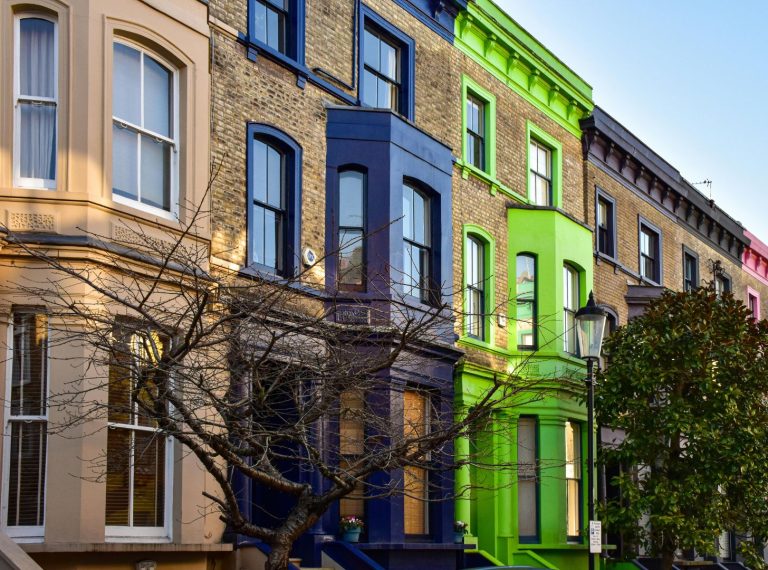
Awaab’s Law and private landlords: What you need to know
9 October 2026
Awaab’s Law has already changed the rules for social housing landlords. Now, private renting could be next. The government is...
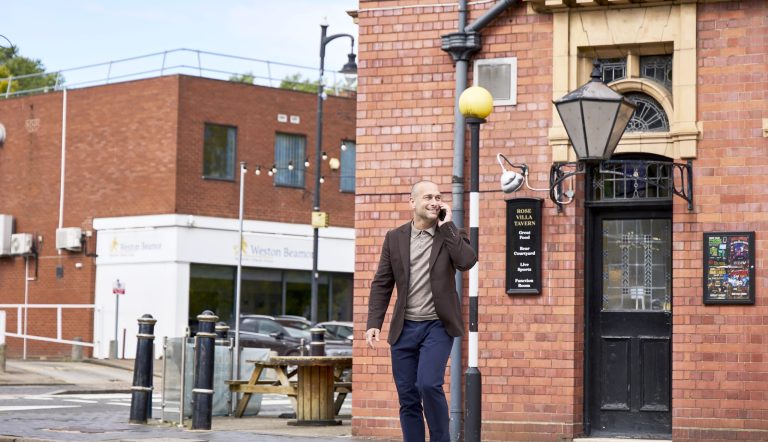
Estate agent licensing: why I welcome it
30 September 2026
By Andy Butts, Managing Director, Miller Rose. 30 September 2026. On 29 September the government confirmed its plans to introduce...

First-Time Buyers Moving Checklist
28 September 2026
Moving into your first home is one of those big milestones in life, and, financially speaking, it’s a pretty big...