


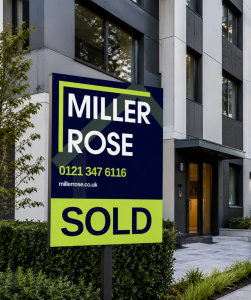





What Does a Good Property Agent Do?
A good property agent does far more than find a tenant. Expect thorough referencing, proactive compliance, responsive maintenance, regular inspections, and honest advice on your portfolio's performance. The difference between an average agent and a good one usually shows up not at the start of a tenancy, but in the months and years that follow.
Finding a tenant is the easy part. What separates a good property agent from an average one is everything that happens before, during, and after - the referencing, the communication, the compliance, the inspections, the repairs, and the long-term thinking that keeps a property performing well.
Here's what you should expect from a property agent worth working with.
Property Marketing
A good agent doesn't just list a property - they present it properly. That means professional photography, an accurate and well-written description, and placement across the major portals, including Rightmove, which receives over 140 million visits every month.
Beyond the listing itself, a proactive agent will market to their existing database of qualified applicants, giving your property exposure before it even goes live publicly. In a competitive rental market, that head start matters.
Tenant Referencing
Letting to the right tenant is one of the most important decisions a landlord makes - and a good agent treats it that way. That means thorough referencing: credit checks, employment and income verification, previous landlord references, and a Right to Rent check, which is a legal requirement for every adult tenant regardless of nationality.
Compliance with legislation is a core part of the role, not an afterthought. In a market where the rules change regularly - and the consequences of getting them wrong are significant - having an agent who stays current is genuinely valuable.
Landlord and Tenant Communication
A good agent is easy to reach, responds promptly, and keeps both landlords and tenants informed. That sounds straightforward, but it's one of the areas where agents most often fall short.
Clear communication reduces misunderstandings, catches problems early, and makes for better tenancies all round. Whether it's a maintenance update, a renewal discussion, or a compliance question, both parties should always know where things stand.
Regular Inspections
Periodic property inspections allow a good agent to identify maintenance issues before they escalate, confirm tenants are looking after the property, and give landlords a clear picture of their investment's condition.
Done properly and documented consistently, inspections also protect both parties - providing a clear record if any dispute arises at the end of a tenancy.
Maintenance and Repairs
Maintenance requests should be handled promptly, with reliable contractors and a clear process for keeping landlords informed. A responsive approach to repairs isn't just good service - it's part of the landlord's legal obligation to keep the property safe and in good repair.
A good agent has trusted contractors on hand, coordinates the work efficiently, and follows up to make sure the job is done properly. That's what keeps tenants happy, protects the asset, and avoids small issues becoming expensive ones.
Portfolio Reviews
The best agents think beyond the individual tenancy. A good agent will periodically review a landlord's portfolio - assessing rental pricing against the current market, identifying opportunities for improvement, and offering honest advice on whether each property is performing as it should.
That might mean recommending a rental review, flagging a property that would benefit from refurbishment, or simply confirming that everything is on track. Either way, the goal is to help landlords make better decisions over the long term - not just manage the day-to-day.
Working With Miller Rose
At Miller Rose, this is what lettings and management looks like in practice. Thorough referencing, proper compliance, responsive maintenance, regular inspections, and straightforward advice on your portfolio - handled with care and without the noise.
If you'd like to talk through what we can do for your property, get in touch. No scripts, no pressure - just honest advice.
FAQs
What does a letting agent actually do?
A letting agent handles the end-to-end process of letting and managing a rental property, from marketing and tenant referencing through to rent collection, maintenance coordination, compliance, and regular inspections. The level of involvement depends on whether you opt for a tenant-find-only, rent collection, or fully managed service.
What's the difference between tenant-find and fully managed?
Tenant-find covers marketing the property, referencing applicants, and setting up the tenancy. Fully managed adds ongoing rent collection, maintenance coordination, inspections, compliance tracking, and day-to-day landlord and tenant communication.
What should a good agent check when referencing a tenant?
Credit history, employment status and income, previous landlord references, and a Right to Rent check. All are important - skipping any of them increases risk for the landlord.
How often should a property be inspected?
Typically every three to six months, depending on the tenancy and property. Inspections should be documented with photos and notes, and any issues flagged to the landlord promptly.
Can an agent handle compliance on my behalf?
Yes, and a good one will do it proactively rather than waiting to be asked. That includes tracking certificate renewals (EPC, gas safety, EICR), ensuring deposit protection is in place, and keeping tenancy documentation up to date with current legislation.
Contact Miller Rose
"*" indicates required fields